
Maker · Vegetables
Rozendaal
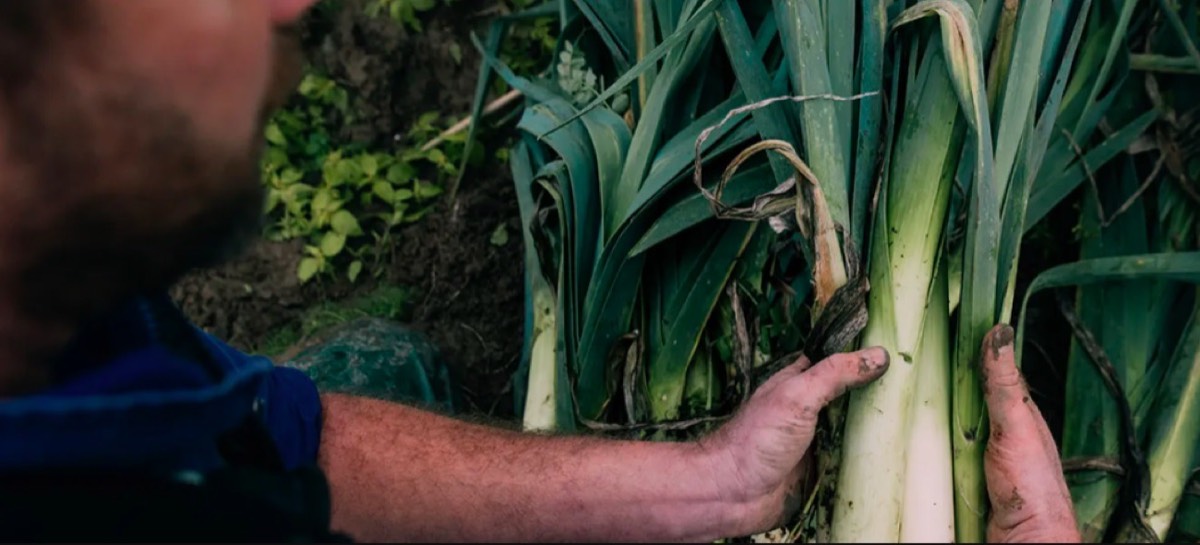
Two brothers, 50 hectares of Hoeksche clay and one simple rule: a third of the land rests under grass and clover every year. What does grow is celeriac with bite, parsnip that sweetens in the frost and winter leek that sings through the cold. Organic since 1998, not as a label but as a way of working.
The story
Who's behind it
Hans and Jan Rozendaal are brothers running a partnership in Strijen, in the heart of the Hoeksche Waard. They grew up around vegetables and took over the business around 1998 when they joined the partnership. Since then they've been growing organic on 50 hectares of rich clay soil. Not a side project or test patch, but the whole operation.
The soil determines what works. Clay holds moisture and nutrients and gives root crops like celeriac and parsnip a firm, dense structure. You notice that back in the kitchen: less fibre, more bite, and vegetables that can take a long cooking time without falling apart. The celeriac also goes toward the supermarket, which means the cultivation is geared to consistent quality rather than one good harvest.
What really sets it apart
At Rozendaal it's about the soil, not the sprayer. A third of the area rests every year under grass and clover, two years per rotation. That cover crop suppresses weeds, brings organic matter back and fixes nitrogen from the air. A local organic farmer supplies manure in exchange for the grass. So the cycle stays closed on the farm itself.
Where many growers reach for approved organic pest controls, the brothers consciously leave those alone. They work with natural enemies like parasitic wasps and ground beetles and choose varieties that stand strong on their own. Flower strips along the field edges draw those insects and give birds shelter. Hans sums it up this way: organic growing is stimulation, not suppression. A healthy system does the work instead of you having to step in when things go wrong.
How to stand out with this
You're not buying anonymous boxes of vegetables here but crop from a known piece of clay with a name. That belongs on the menu: organic seasonal vegetables from Hans and Jan Rozendaal, Strijen. That's more concrete than the word organic alone and it's true right down to the field.
The benefit is also in the season. Parsnip and celeriac are at their best after the first frost, leek sings through the winter, courgette and pumpkin come in their own months. When you move the menu with that rhythm, you cook with vegetables at the right moment and tell a real story. Rozendaal provides the base that convinces by itself.
Chef’s tip
Ask about celeriac late in the season. After the first frost the plant pulls sugars into the bulb and the flavour becomes deeper and more nutty. Roast it whole in its skin on salt; that concentrates why you're buying it.
How to use it
Ideas for your menu
Celeriac in salt crust
Roasted whole, sliced thick and briefly seared. Lead role on the plate instead of a side dish.
Parsnip after the frost
Confited or as a smooth puree. Cold nights make it sweet, that carries a winter jus without extra sugar.
Winter leek, two textures
The white part gently cooked, the green part crispy fried as garnish. One product, two sides of the plate.
Red cabbage, slow
Hours of braising until nearly jam, with sharp acid on top. The structure of clay-cabbage holds where supermarket cabbage collapses.
For your menu
“Organic seasonal vegetables from Hans and Jan Rozendaal, Strijen. 50 hectares of Hoeksche clay, where a third of the land rests under grass and clover every year.”
Products from Rozendaal
What we carry from this maker
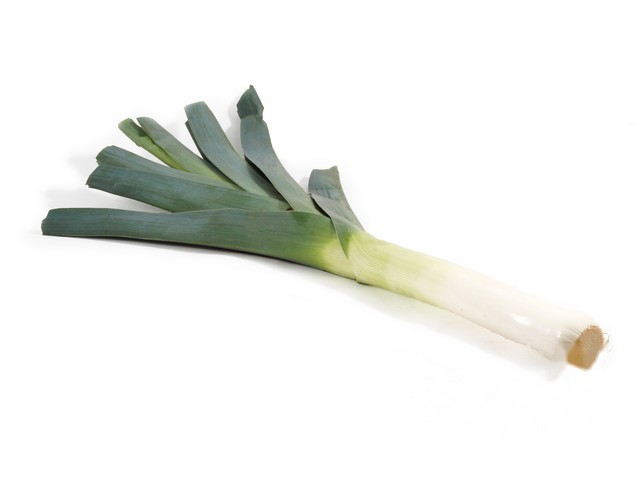
Prei Gold de Legume Bio
Prices and availability are in the portal. Not a customer yet? Become a customer or log in to order.
Taste it in your own kitchen
Book a no-obligation tasting with Niels. No contract, just tasting.