
Maker · Meat
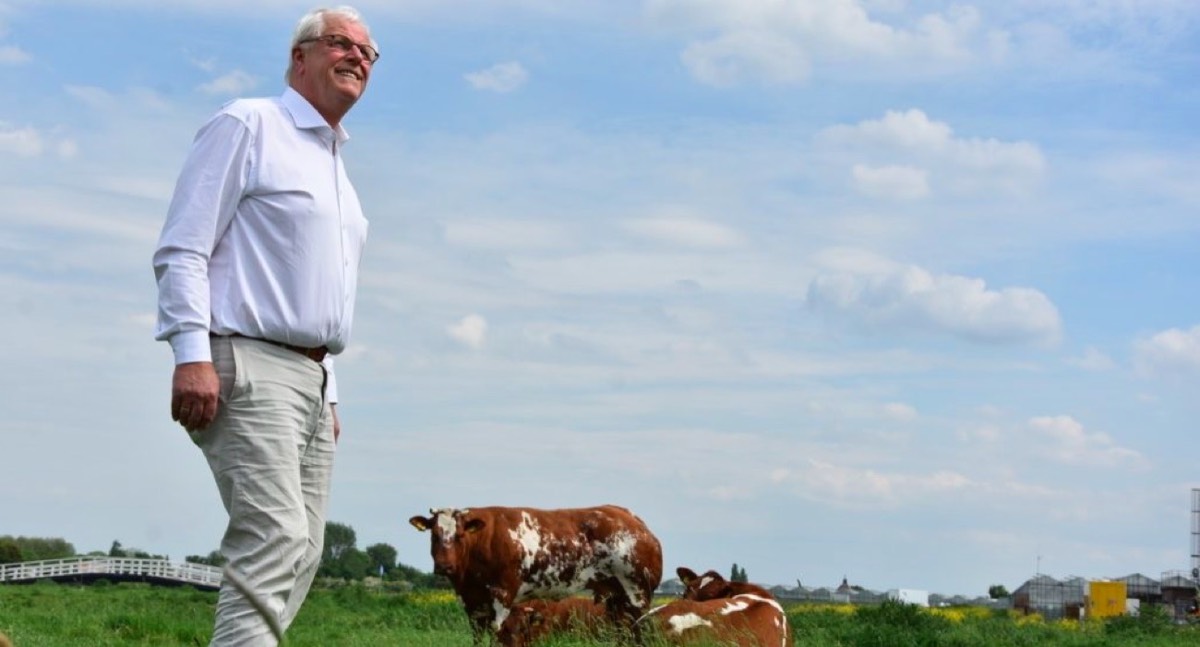
Piet van den Berg
MRIJ is an old Dutch dual-purpose breed that nearly disappeared. Piet van den Berg works with cows that come to him only after two calvings: mature animals with meat that has built structure and flavor.
The story
Who's behind it
Piet van den Berg works from Berkel en Rodenrijs with MRIJ, full name Maas Rijn IJsselvee. That's an old Dutch red-and-white breed from the east and south of the country, developed as a dual-purpose animal: it gave both milk and meat. After 1980 the population dropped sharply when the Holstein Friesian took over the dairy herd. Today there are about 9,700 MRIJ cattle left in the Netherlands.
What Piet does differently than a regular beef producer: his animals are not young bulls fattened to weight. The cows come to him only after they're older, after they've calved twice. They grow up with pasture access and get grass, straw, beet pulp and plant-based feed. That delivers meat with a different structure than you're used to from standard beef.
What really makes the difference
Age is the difference here. A mature cow has built muscle and fat over multiple years. You see that back in the fat marbling and you taste it in the flavor: fuller and beefier than meat from a young animal. The flip side is not every piece suits the quick sear. The rougher parts with connective tissue ask for time.
MRIJ is also a dual-purpose breed, not an intensively bred meat type. The meat is not overly tender or fatty, but has character and bite. For a chef who doesn't want to mask every piece with sauce that's a win. And because the breed is rare, you have something on your card that the competition down the street doesn't just have.
How to set yourself apart with this
Play the whole animal. Put the ribeye or steak as a quick sear, and use the thick flank and brisket for dishes that ask a day's prep. That way you spread the cost across your card and use the strong side of mature cow meat.
Tell the origin briefly: an old Dutch breed, cows that come to Piet after their dairy life. That's a concrete story that works and your guest understands. Age the rougher pieces yourself a few days to push the flavor further. Ask Jimmy Loves Food about available cuts each week; the offer depends on which animals there are.
Chef’s tip
Treat this as mature cow meat, not young bull meat. Pieces with connective tissue (thick flank, brisket) ask for time and low temperature; the ribeye and steak need a short sear and rest. Age the rougher pieces yourself a few days before putting them on the card.
How to use it
Ideas for your menu
Aged ribeye from the flank
Sear quick and hot, let rest. The fat marbling does the work; keep the garnish spare so the meat's flavor stays in the lead.
Braised thick flank
A piece with connective tissue that turns gelatinous with long, low cooking. Ideal for a braise or a lunch dish with its own jus.
Brisket, low and slow
Six hours or longer at low temperature. Mature MRIJ gives a deep, beefy flavor that a young animal can't reach.
MRIJ tartare
Freshly hand-cut with a knife from the whole piece. Add little; the cow meat's flavor carries the plate.
For your menu
“MRIJ beef from Piet van den Berg (Berkel en Rodenrijs). Old Dutch dual-purpose breed, meat from mature cows with firm structure and full flavor.”
Products from Piet van den Berg
What we carry from this maker
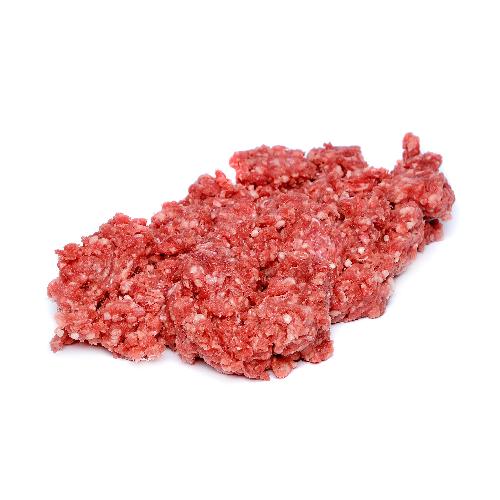
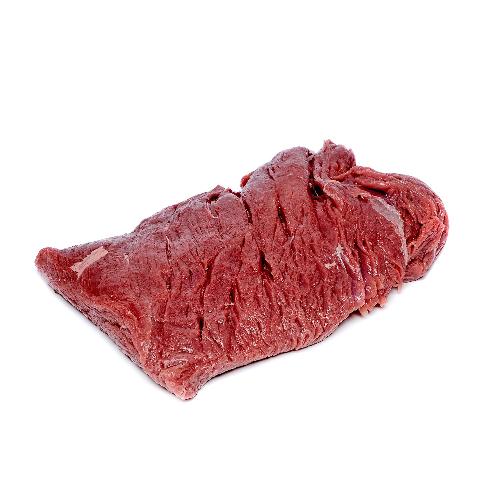
Prices and availability are in the portal. Not a customer yet? Become a customer or log in to order.
Taste it in your own kitchen
Book a no-obligation tasting with Niels. No contract, just tasting.