
Maker · De Goorn, West Frisia · Vegetables
Paul Pronk
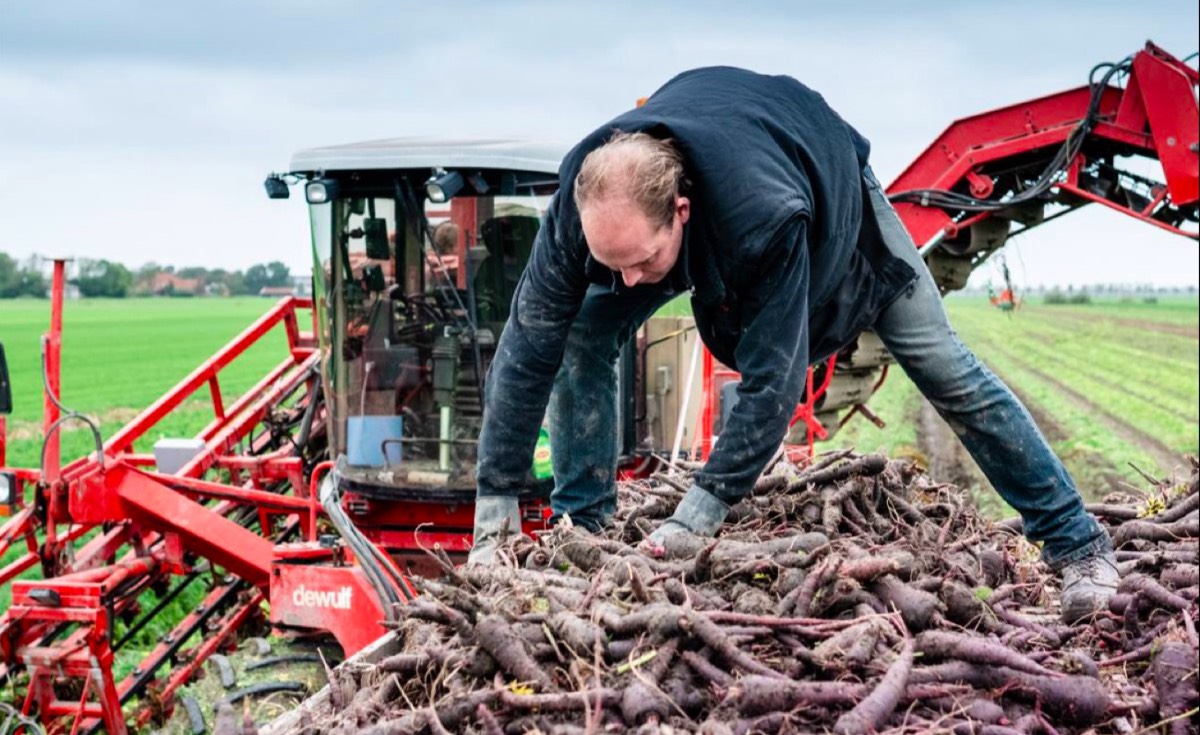
On the heavy marine clay of De Goorn, Paul Pronk grows roots and tubers with a West Frisian soul. Five colours of winter carrot, a handful of beets and forgotten roots like parsnip and parsley root. Soil first, flavour follows.
The story
Who's behind it
Paul Pronk grows roots and tubers in De Goorn, in the heart of West Frisia. Open land, lots of wind and soil of heavy marine clay. The business began with his grandfather with five hectares and grew into a modern arable farm, but the starting point remained the same: soil first, then flavour. Paul deliberately chooses sustainable crop rotation so the soil stays in balance and diseases get less chance without him having to turn to chemicals.
For you as a chef, that translates to a grower who harvests on timing and flavour, not maximum kilos. What comes in is root and tuber work for the cold season, from autumn through spring.
What makes it truly different
Two things. First the clay. Heavy marine clay gives roots and beets more resistance and a fuller, earthier flavour than the loose sandy soils most standard work comes from. Second the colour palette. Where most wholesalers deliver you orange winter carrot and red beet, Paul grows winter carrot in five colours, yellow, white, red, black and purple with an orange core, and beets from red to yellow, white and chioggia with its rings.
There are the forgotten roots: parsnip with its sweet, nutty note and parsley root that literally smells like parsley when you cut into it. That's not a standard assortment but a toolkit with which you can build on one product instead of just garnishing it.
How to set yourself apart with this
A plate of colourful beets or a range of winter carrot in five colours does the work without sauce or flourish. The colour sits on the plate, the origin sits on your menu. Put the region in and the dish tells itself: De Goorn, West Frisia, heavy clay.
Practically: keep the colours separate while cooking so they don't bleed into each other, and use the finer roots as the lead, not as a supporting act. Parsley root in a clear stock, parsnip as smooth cream beneath game, chioggia raw for the pattern. That way you make a simple root into a dish a guest remembers, and a supplier into a story that fits on your menu.
Chef’s tip
Chioggia loses its red and white rings as soon as you cook it. Slice it raw, paper-thin on the mandoline and that ring pattern stays on the plate. Roast the five colours of winter carrot separately, not mixed, otherwise the colours bleed into each other and you're left with brown instead of yellow, purple, red, white and black.
How to use it
Ideas for your menu
Raw chioggia carpaccio
Roasted colourful winter carrot
Parsnip cream
Yellow beet with goat cheese
For your menu
“Colourful beets and winter carrot from Paul Pronk, grown on the heavy marine clay of De Goorn in West Frisia.”
Products from Paul Pronk
What we carry from this maker
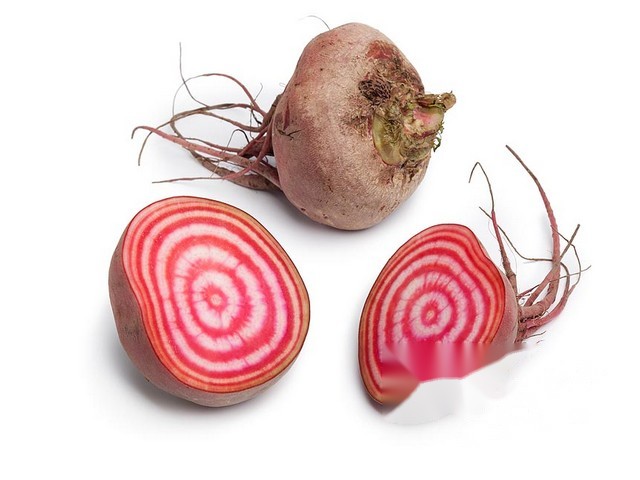
Bieten Chioggia
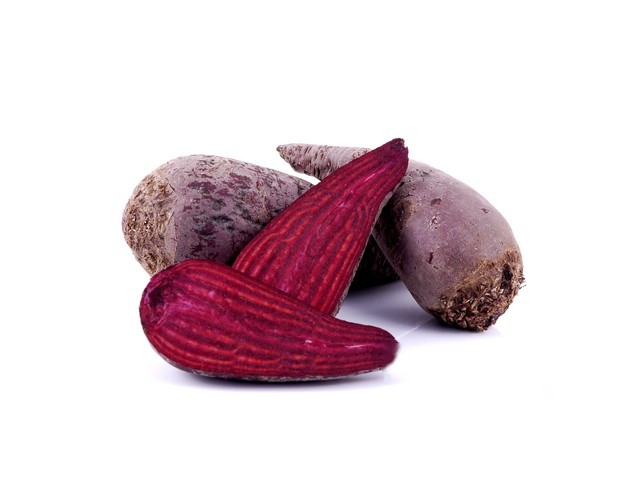
Bieten Forono
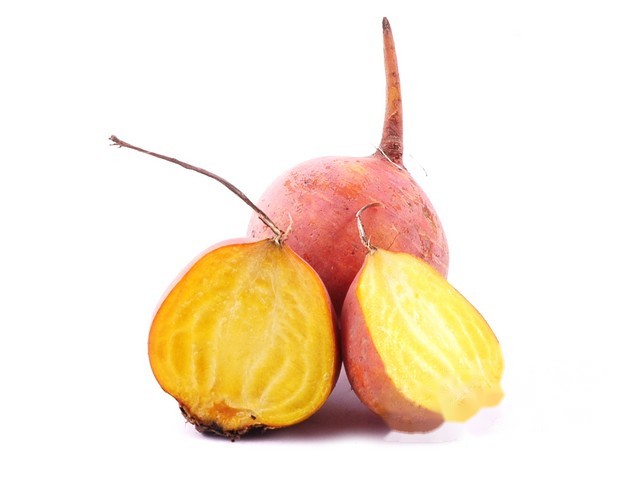
Bieten geel
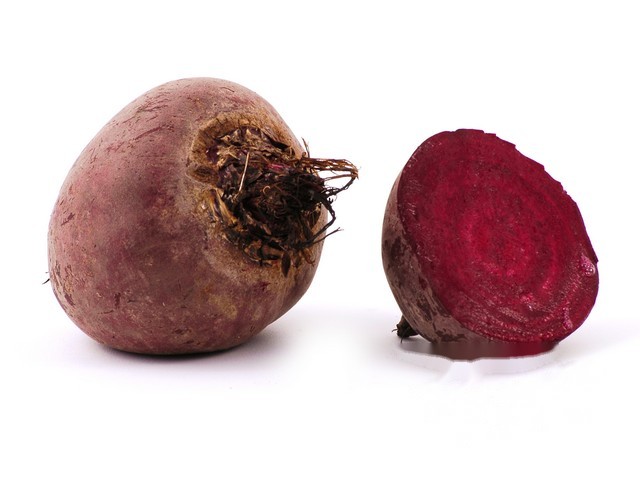
Bieten Rood
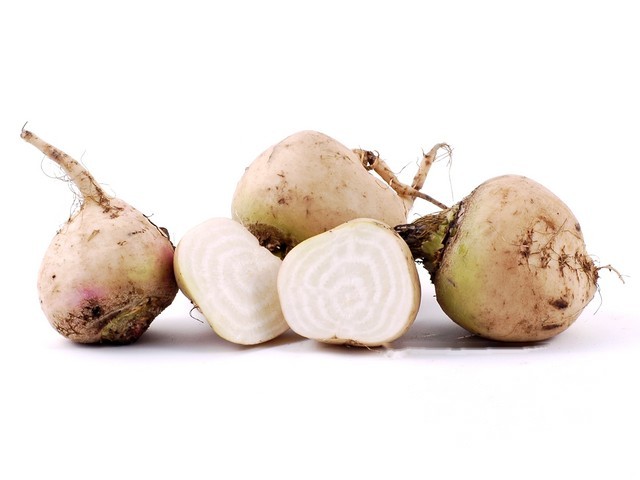
Bieten wit
Prices and availability are in the portal. Not a customer yet? Become a customer or log in to order.
Taste it in your own kitchen
Book a no-obligation tasting with Niels. No contract, just tasting.