
Maker · Potato
Opperdoezer Ronde from Cees
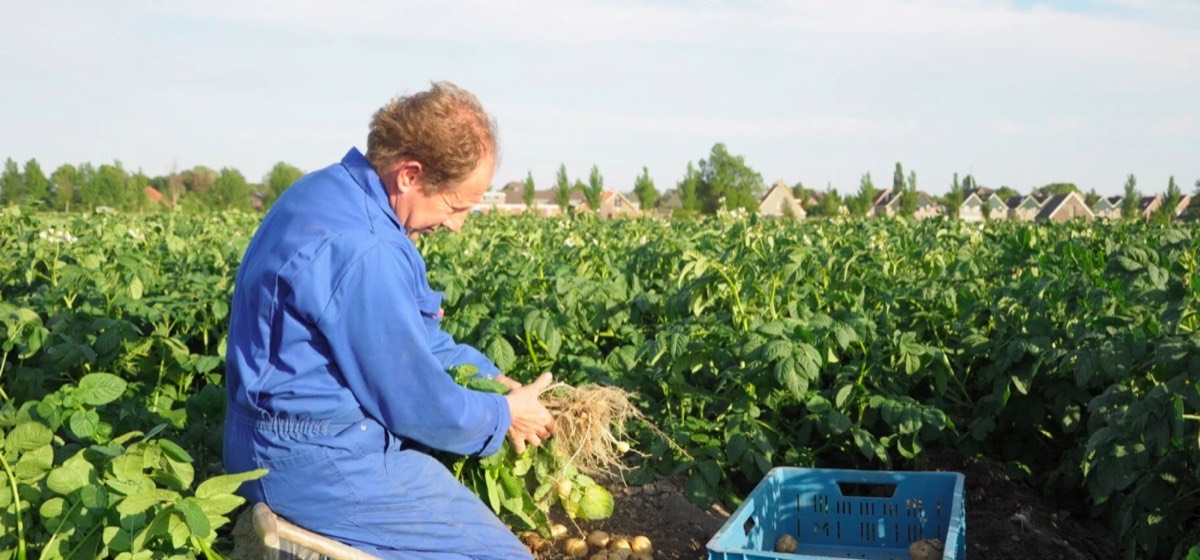
A potato with its own postal code. The Opperdoezer Ronde can only be called that if it comes from the defined area around Opperdoes. Cees harvests it young, by hand, and supplies as long as the season runs. After that it's waiting until next year.
The story
Who's behind it
Cees grows the Opperdoezer Ronde around Opperdoes, in the far north of North Holland. The soil is light loam, a sandy clay ground constantly under the influence of sea and wind. That soil and that microclimate form the basis of the flavor, and they're the reason the name is protected. Only potatoes from this defined area can be called Opperdoezer Ronde. If the same potato grows a village over, it's just a potato.
Cees harvests young, when the skin is still thin and not fully hardened. He selects on size, firmness and flavor, and supplies in small quantities as long as the season lasts. What's there is there. When the moment is gone, that's part of the product, not something to work around.
What makes it genuinely different
The Opperdoezer Ronde is a waxy variety, yellow to white flesh, with relatively little starch. Freshly harvested it's creamy inside and lightly floury. If you store it longer, the structure becomes floury. The variety traces back to around 1865 and has been grown as a commercial variety since 1867. Since 1996 the protection is fixed in European law. With that, it is, alongside the Dutch cheeses, the only Dutch agricultural product with a Protected Designation of Origin.
The scale is small. About 35 growers bring together roughly 4,000 tons per year, divided over a season running from late May through late October. The early harvest from early summer is considered the best. Those potatoes are harvested by hand because the skin at that point is too delicate for machinery. That handwork is in what ultimately lands on your plate.
How you stand out with this
The skin is so thin that peeling is a waste of the product. Clean them, cook or steam them briefly and keep the rest of the plate quiet. The potato asks for little company and punishes you if you add too much.
On the menu the origin does the work. Put Opperdoes on it and name the period, because availability is limited and that's exactly what convinces a guest. Someone serving an Opperdoezer in July or August shows without many words that they know when something is at its best. That's exactly the kind of detail a guest comes back for.
Chef’s tip
Don't peel. The skin is too thin and too delicate, and that's exactly the charm. Clean them, cook or steam them briefly and keep the rest of the plate empty: butter, coarse salt, at most some parsley. The less you add, the more you taste where you're getting it from.
How to use it
Ideas for your menu
Pure in the skin
Briefly boiled in the skin, butter and coarse sea salt. The most honest way to show what the difference is.
Under the fish
As warm base under baked sole or cod. The creamy flesh catches the jus without overwhelming the fish.
Warm salad
Halved, briefly sautéed, dressed warm with mustard, shallot and herbs. The firm structure doesn't fall apart.
In the oven with kriel
Small knobbles left whole, roasted in the skin with thyme. Outside crispy, inside soft.
For your menu
“Opperdoezer Ronde from Opperdoes, hand harvested by Cees. Briefly boiled in the skin with butter and coarse salt. Regional potato with Protected Designation of Origin, seasonal availability only.”
Products from Opperdoezer Ronde from Cees
What we carry from this maker
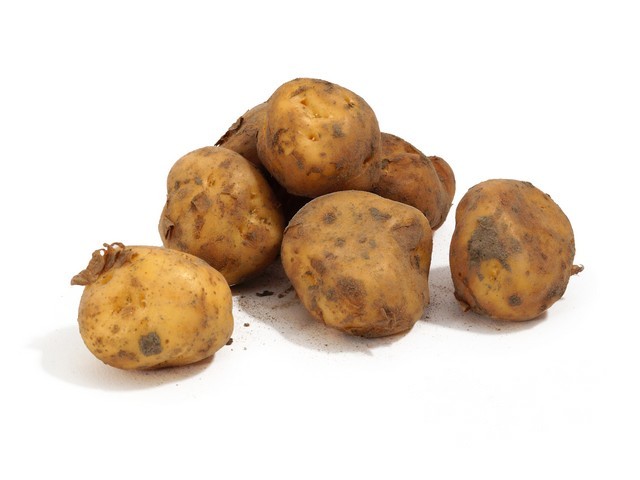
Opperdoezer Ronde kriel aardappel
Prices and availability are in the portal. Not a customer yet? Become a customer or log in to order.
Taste it in your own kitchen
Book a no-obligation tasting with Niels. No contract, just tasting.