
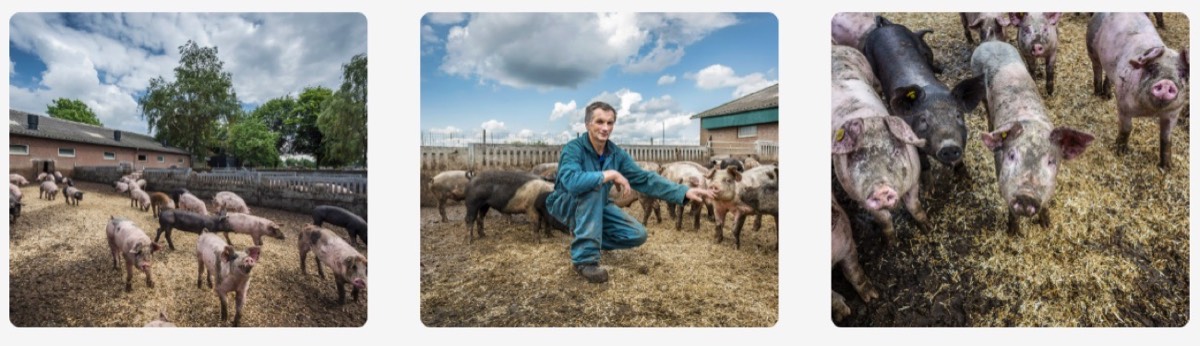
Maker · Lilbosch Abbey, Echt (Limburg) · Meat
Livar, the Limburgian monastery pig
A pig that has eight to ten months to grow and reaches around 140 kilos at slaughter. You taste it: meat laced with real fat that holds its moisture and flavor when cooking instead of shrinking away in the pan.
The story
Who's behind it
Livar began in 1999 when five Limburgian pig farmers joined forces with Lilbosch Abbey in Echt. The inspiration came from Spain, where they saw in the nineties how you could raise pigs more slowly and with more space. The Trappist abbey, with its tradition of simplicity and care for the environment, gave the initiative a home and a name. Today, monastery pigs run on multiple Limburgian farms, including on the abbey's own grounds.
Since 2009, Livar has had its own slaughterhouse close to the farms. That keeps the chain short and the meat traceable, from barn to cut piece.
What really makes it different
The difference lies in time and genetics. A Livar pig is a cross of robust breeds, selected for resilience not speed. The animal has eight to ten months, while a standard meat pig needs about six, and goes to slaughter at about 140 kilos. Those extra months put fat down into the muscle. The result is laced, deeper in color and firmer in structure.
Welfare is not an afterthought. Livar carries three-star Better Life, the highest category. The pigs have straw, choose between inside and outside, and root and wallow in Limburgian soil. A meat pig has a minimum of 1.3 square meters inside and one square meter outside. The feed is regional grain, often from own growing.
In your kitchen, that translates to meat that holds its moisture. Less shrinkage means more yield per kilo and a structure that can handle long braising without drying out.
How to set yourself apart with this
This is a pig you can name on the menu. Origin from Echt, three-star welfare and a slaughter age that's almost double the norm: that's a story the guest understands without explanation.
Choose cuts that let the fat speak. The procureur and the belly reward slow, low braising. The ribeye and loin are there for quick work. Want to serve it year-round, grab the sjink, coppa and salami too, so one producer fills both your main course and your snacks board. That way there's no anonymous piece of pork on your plate, but an animal with an address.
Chef’s tip
The fat is your workhorse here. Braise the procureur low and slow, somewhere between 120 and 130 degrees, and the connective tissue melts while the meat stays juicy. The ribeye of the pig, just the opposite: brief and hot, center pink, let it rest. In both cases you get more on the plate than you put in, because shrinkage is minimal.
How to use it
Ideas for your menu
Procureur, braised low
The laced neck stew for hours on low temperature. Falls apart, holds fat and flavor. Works with or without bacon.
Crispy pork belly
Belly without bone and skin, first braised soft then seared for a crunchy layer. Takes little, gives much.
Pork ribeye from the grill
Kilosteak brief and hot, center pink. The marbling does the work, a little salt and acid is enough.
Sjink as garnish
The raw ham thinly sliced over a warm dish or as plating. Salty, nutty, long cured.
For your menu
“Livar, the Limburgian monastery pig from Echt. Three-star Better Life, eight to ten months raised, marbled and with character.”
Products from Livar
What we carry from this maker
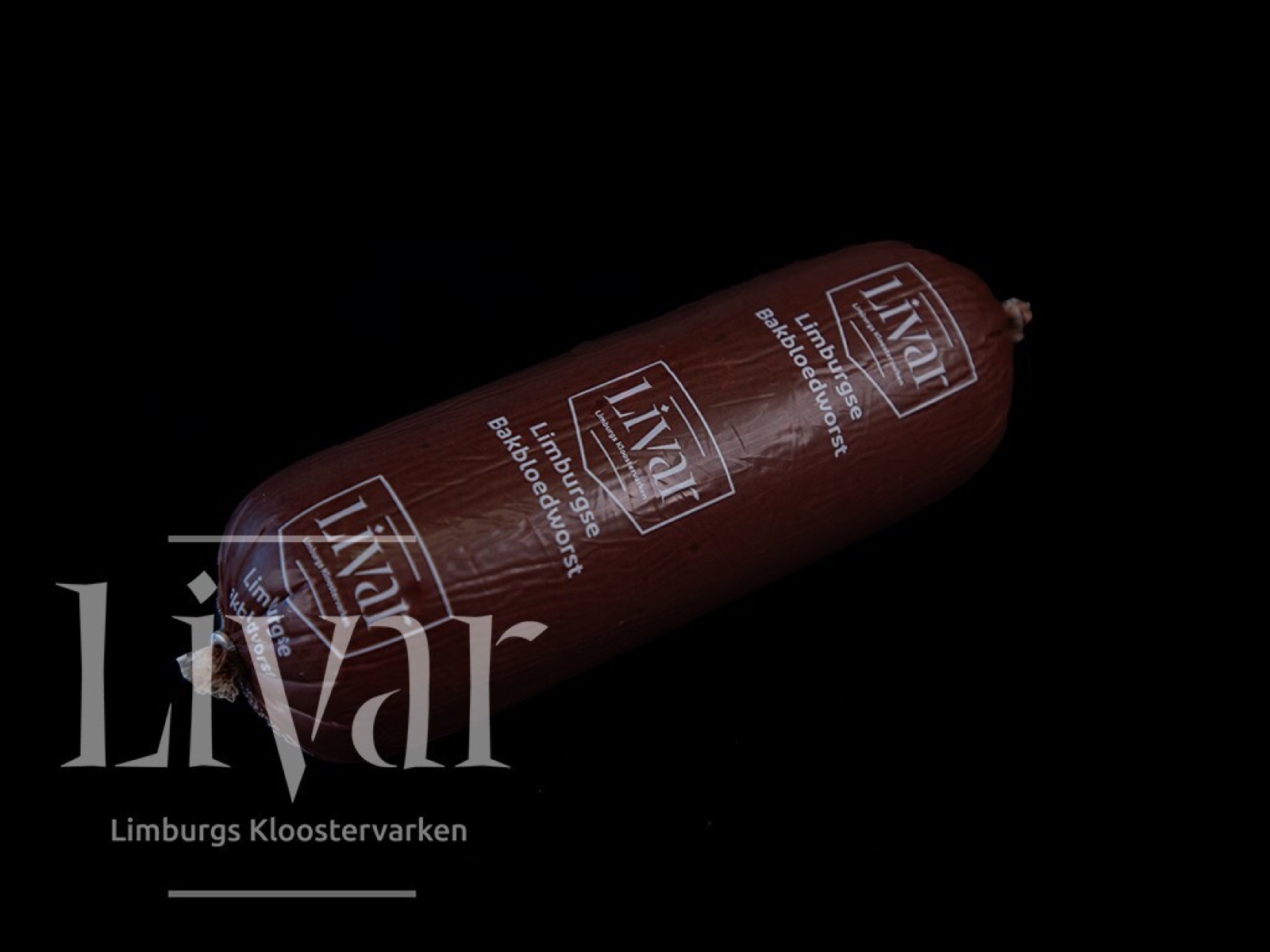
Bloedworst
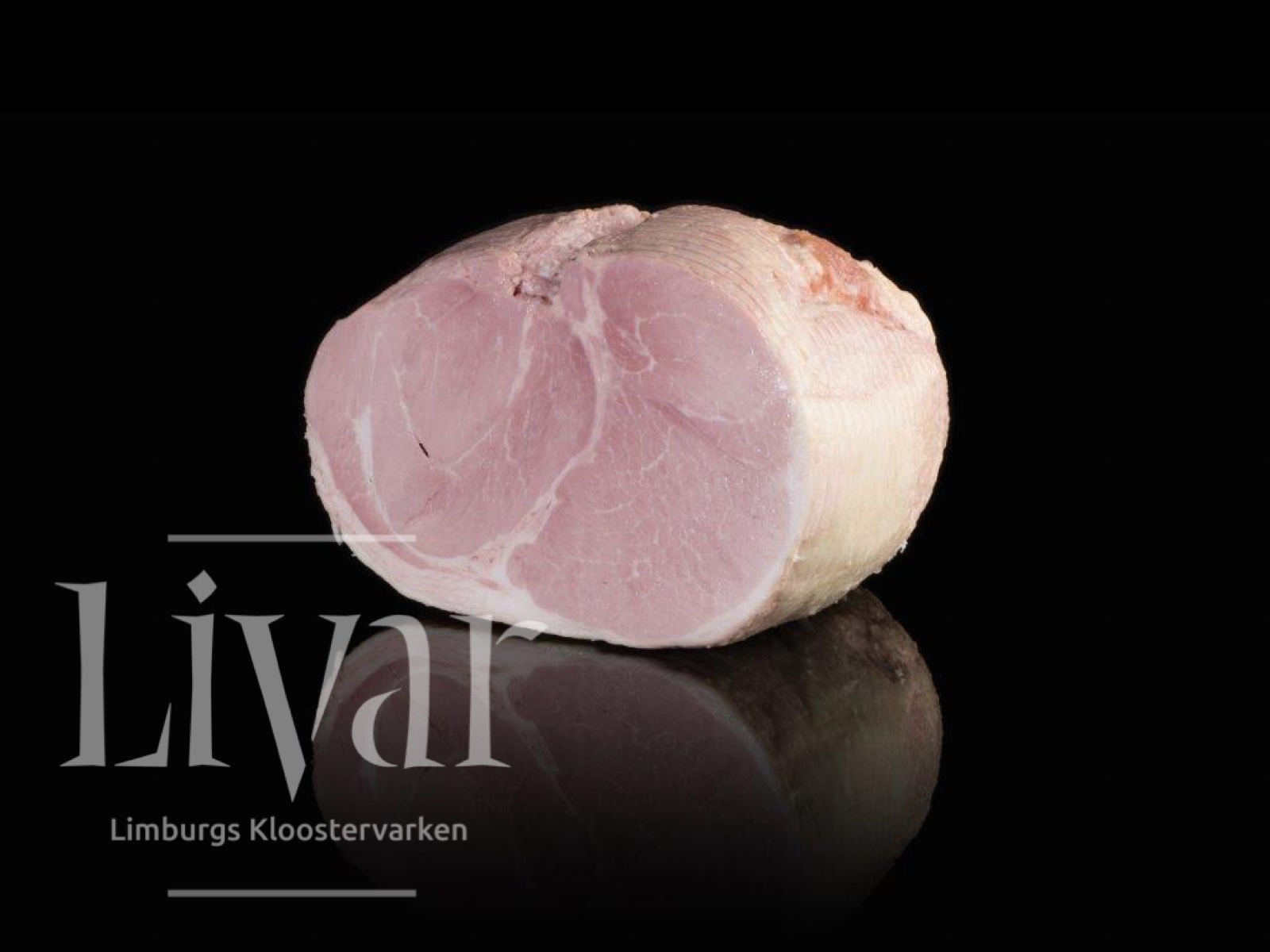
Gekookte ham gesneden
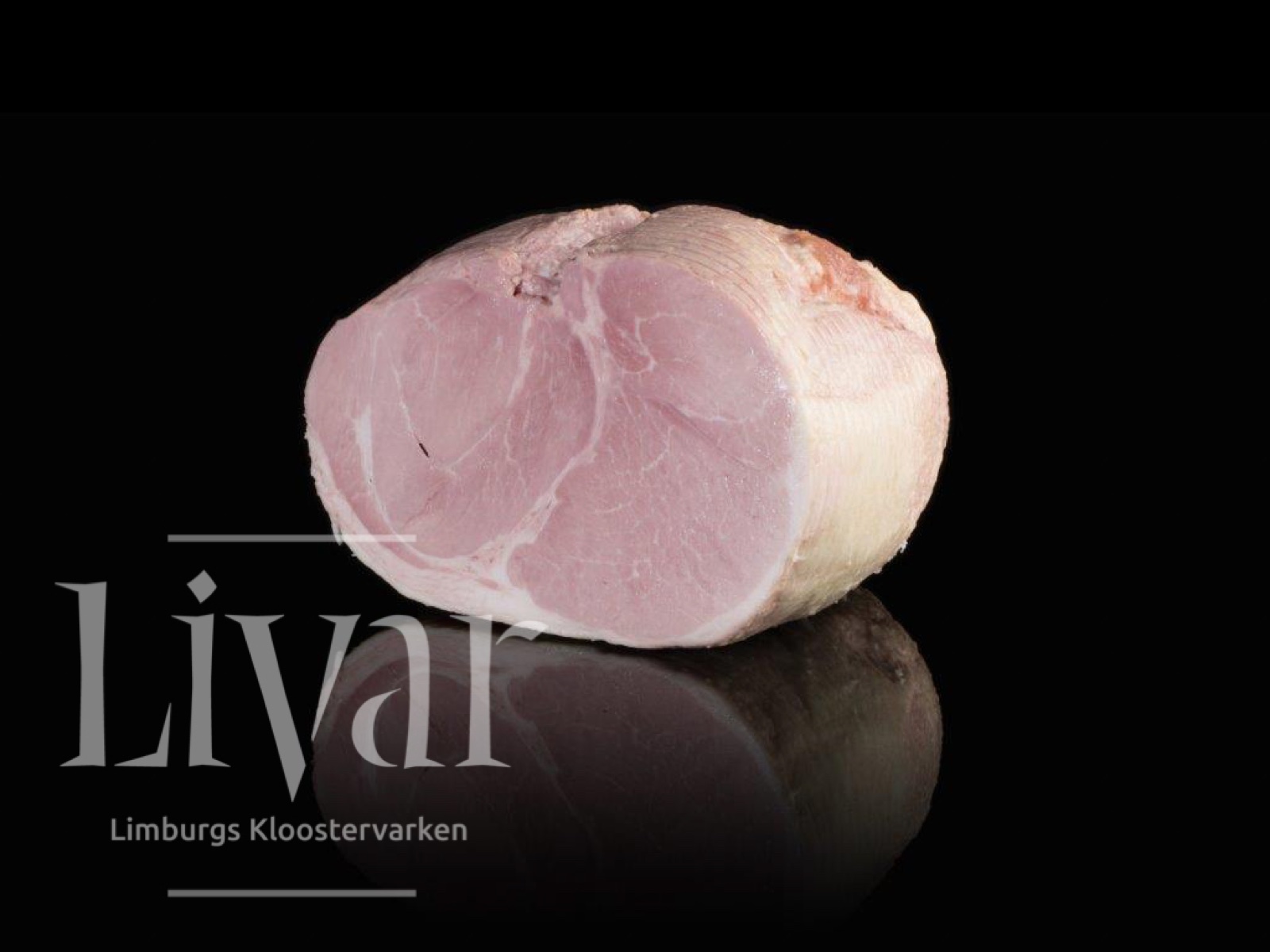
Ham gekookt heel
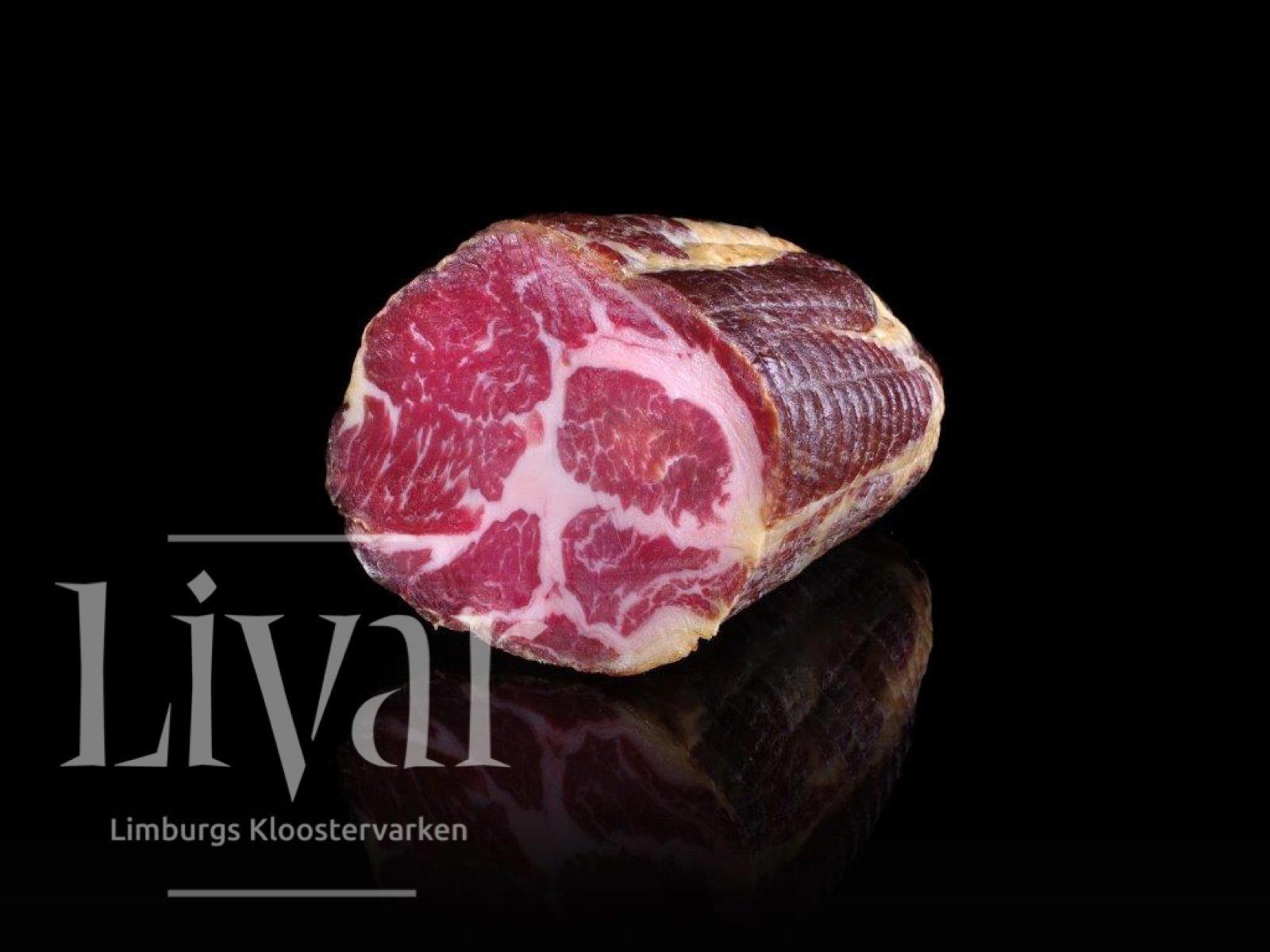
Livar Coppa
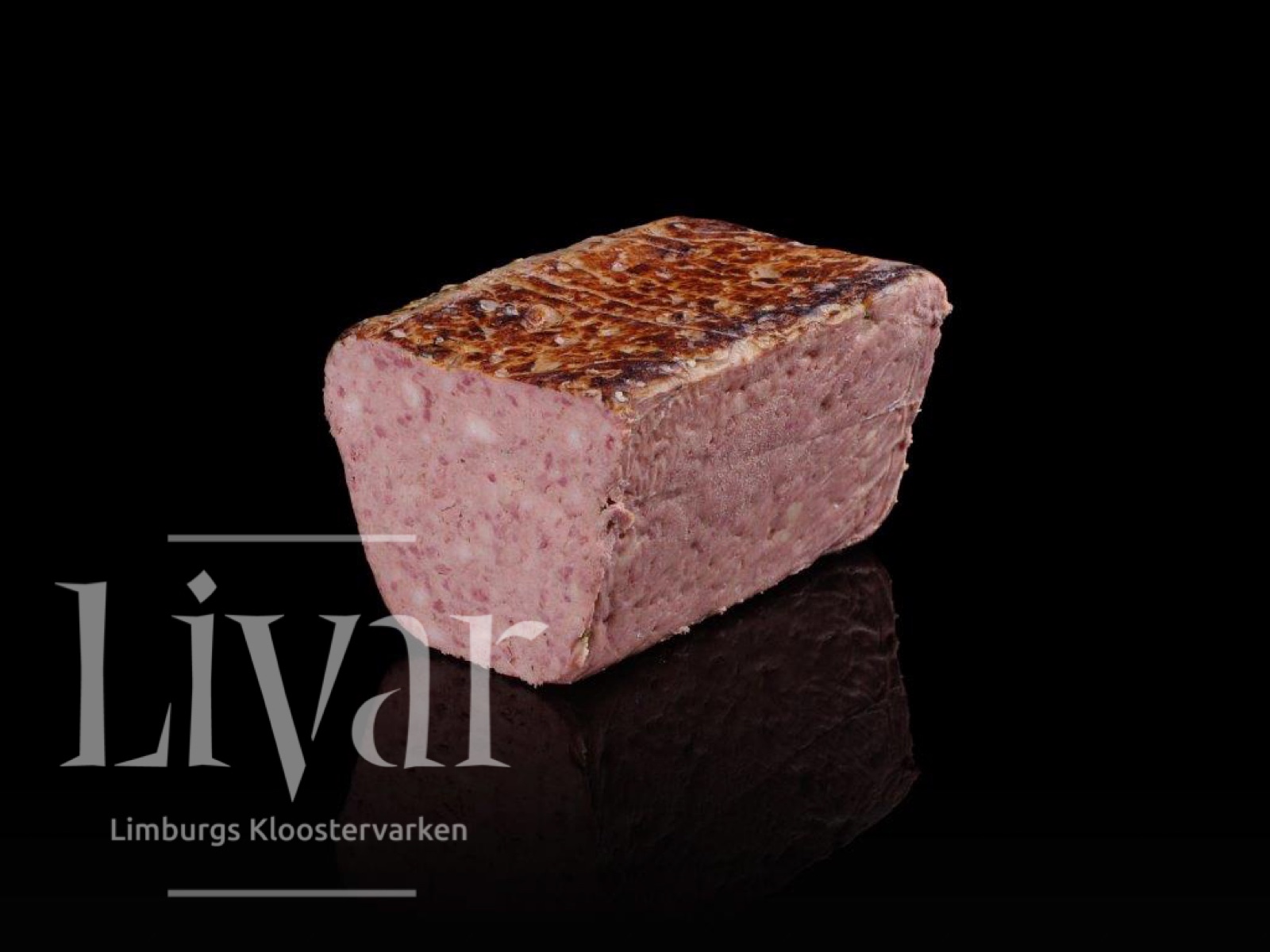
Livar pate
Prices and availability are in the portal. Not a customer yet? Become a customer or log in to order.
Taste it in your own kitchen
Book a no-obligation tasting with Niels. No contract, just tasting.