
Maker · Vegetables
Dutch Wasabi
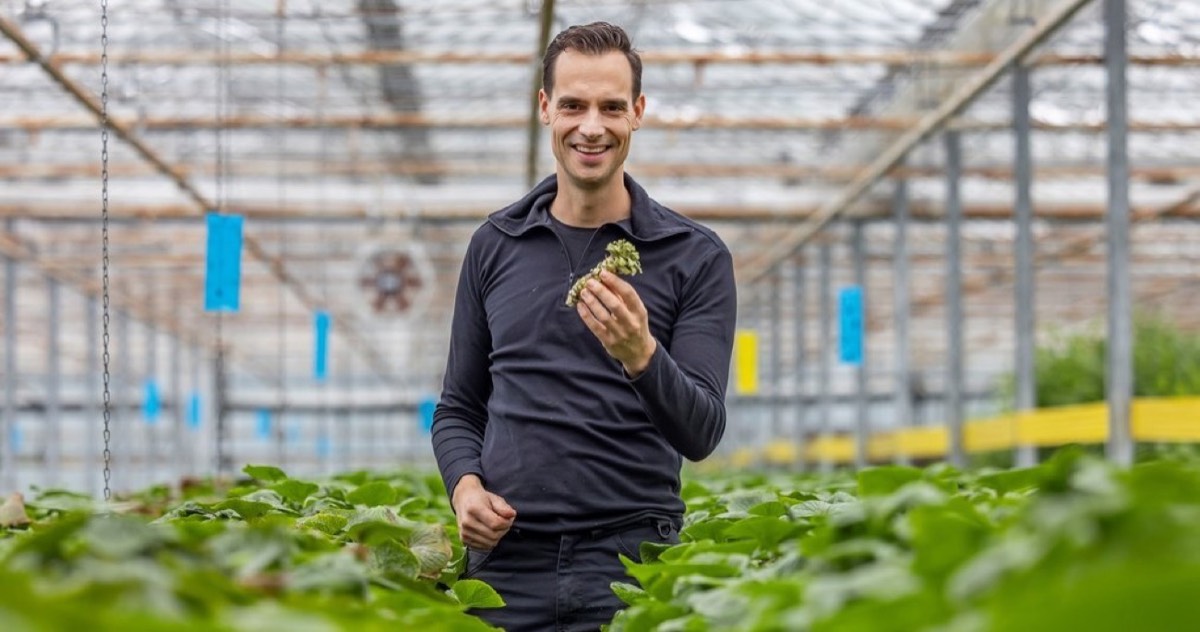
The bright green blob next to your sushi is almost always horseradish with food colouring. Sander van Kampen grows the real plant in De Lier, from rhizome to leaf, stem and flower. Freshly grated, with an aroma the fake never reaches.
The story
Who's behind it
Sander van Kampen worked in IT before he started in 2016 doing what no one in the Netherlands was doing: growing wasabi. Wasabi grows almost exclusively in Japan and counts only a handful of growers outside that country. Seed didn't work, so he sourced young plants from England. His first modest harvest came in 2018; in 2019 he switched fully to the business. From a greenhouse in De Lier he now supplies chefs across the country. Getting it financially sound was considered unproven for a long time. Innovation support from Hagelunie and Rabobank helped, and a nomination for the Horticultural Entrepreneur Prize followed. Alongside wasabi he grows ginger, yuzu, myoga and passion fruit.
What really makes the difference
The green paste that normally sits next to sushi is usually horseradish with mustard and food colouring. It has nothing to do with the wasabi plant. Real wasabi gives a heat that rises short and clear and then fades, with a floral, lightly sweet undertone and an aroma the fake lacks. That heat is fleeting: once grated it evaporates within minutes, so you grate per course.
The cultivation explains the rarity. A rhizome takes about two years to become harvestable, and the crop is sensitive to disease and pests. What makes it interesting for a kitchen: you use the whole plant. Besides the rhizome, the leaf, stem and flower each deliver their own, milder wasabi heat. Dutch Wasabi also processes leaf and stem into paste themselves.
How to set yourself apart
Grating wasabi at table is theatre with substance: your guest sees and smells the difference from the tube immediately. Set a grater on the pass and work per plate, so the heat hits its peak on the table. Use the rhizome for raw fish, tartare and sashimi, and let leaf and stem do the work in a dressing, pickle or beurre blanc where you want subtle heat without carving into the expensive knob. The flowers sit as garnish with a final accent. One Dutch grower, the whole plant, and a story that rings true the moment your guest takes the first bite.
“We've proven that wasabi is a profitable crop.”
Chef’s tip
Grate the rhizome à la minute on a fine grater, just before plating. The heat and aroma build in seconds and fade within minutes, so grate per course. Don't throw anything away: the leaf and stem give a milder wasabi heat in dressings and pickles, the flowers sit as garnish with a peppery accent on raw fish.
How to use it
Ideas for your menu
Freshly grated rhizome with tartare or sashimi of North Sea fish
Wasabi leaf, briefly stir-fried, or raw through a fresh salad
Beurre blanc or crème fraîche flavoured with fresh wasabi
Wasabi flowers as garnish on oyster or scallop
For your menu
“Fresh wasabi from De Lier, grated at table.”
Products from Dutch Wasabi
What we carry from this maker
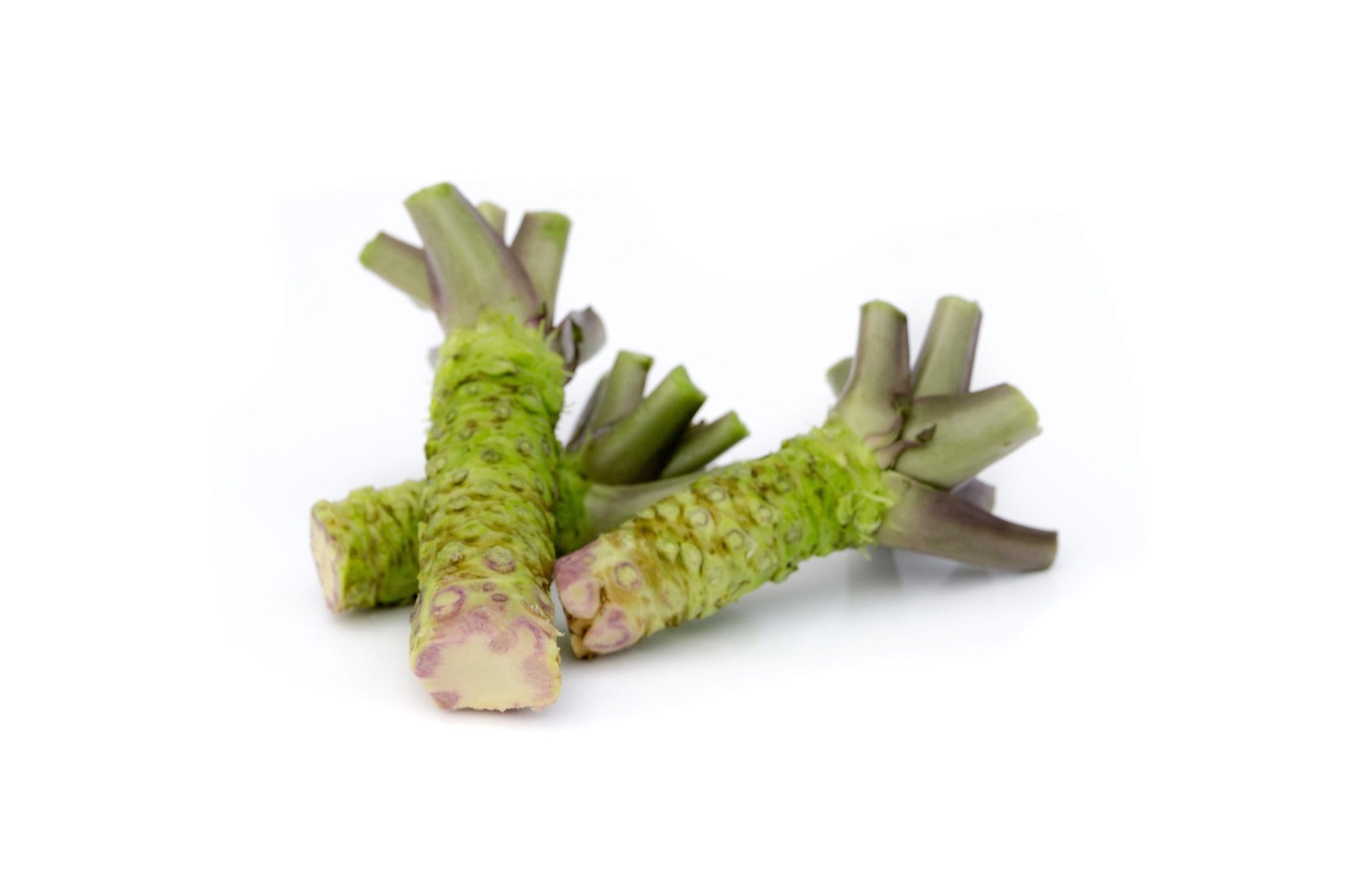
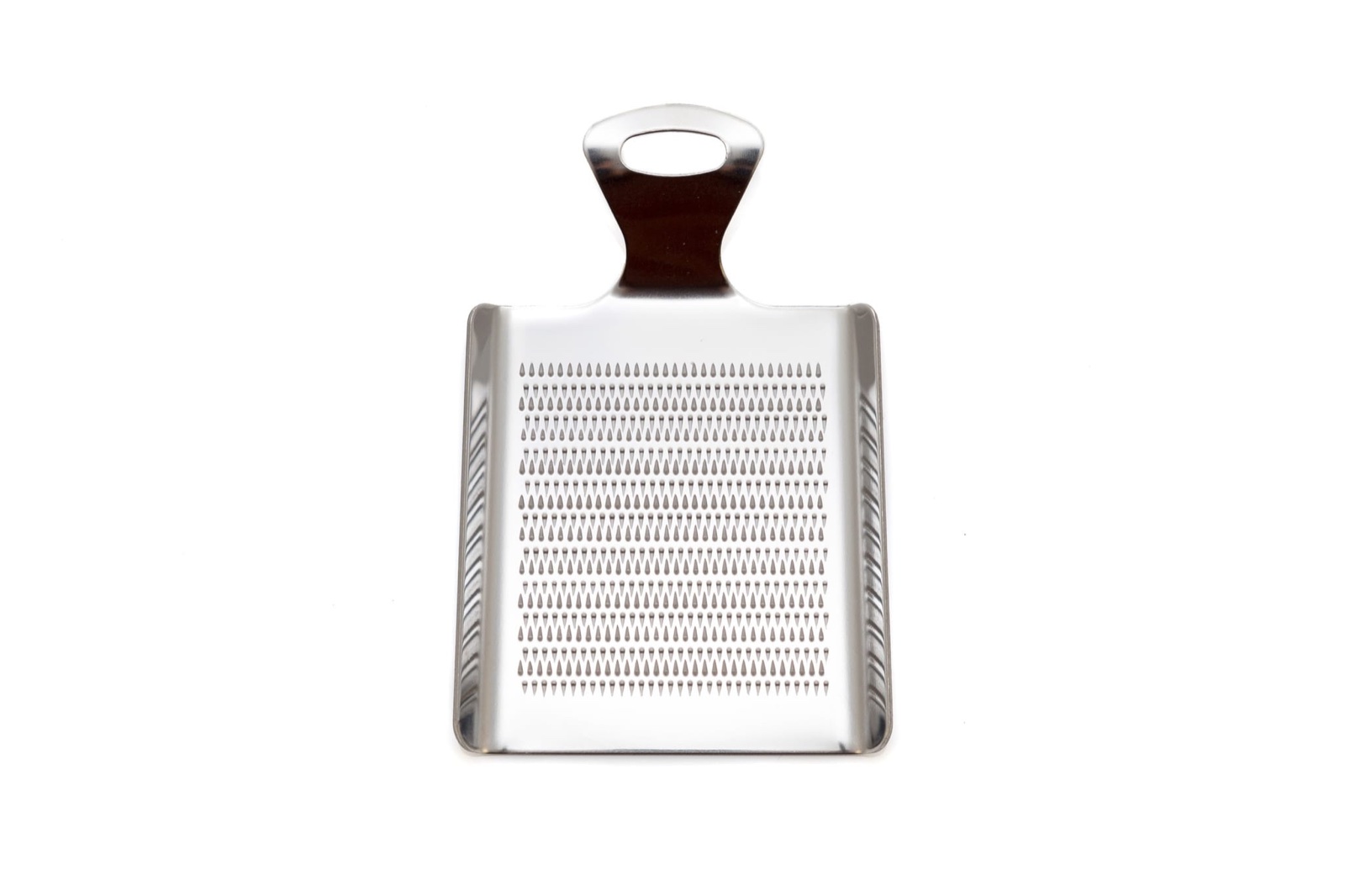
Prices and availability are in the portal. Not a customer yet? Become a customer or log in to order.
Taste it in your own kitchen
Book a no-obligation tasting with Niels. No contract, just tasting.