
Maker · Potato
Dekker: crumbly Eigenheimer potato from Vroomshoop
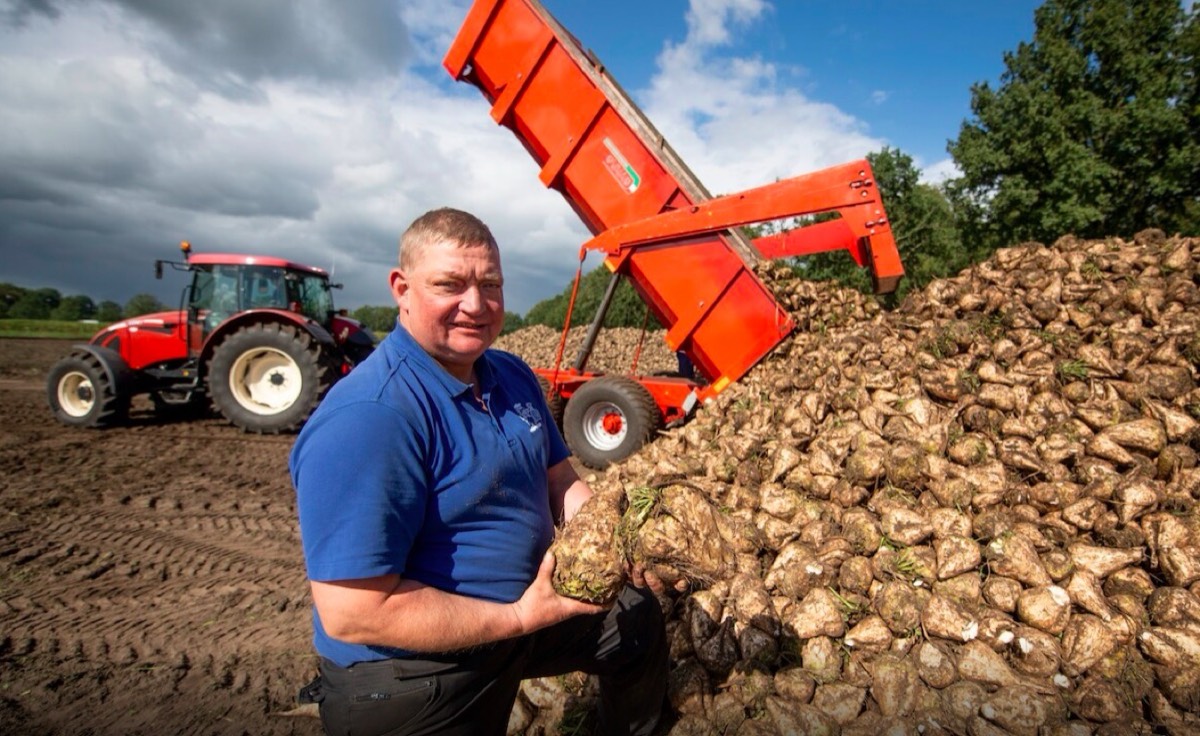
Eigenheimer is one of the oldest crumbly varieties the Netherlands knows, bred in 1893 and long since displaced from most fields. Dekker farm in Vroomshoop still grows it and supplies it unwashed, with soil still on it.
The story
Who's behind it
Dekker farm sits on Twistveenweg in Vroomshoop, next to Westerhaar in the municipality of Twenterand. It's an arable farm that's been there since 1911. Since 1968, the family has sold directly to customers, starting with the early Parel potato, and at home they have a farm shop where they sell on weekdays and Saturday mornings what's in the field: potatoes, vegetables and homemade processed products. In 2007 they converted part of the old barn into a gallery. Eigenheimer is one of the varieties they maintain and which reaches us.
That maintaining is less self-evident than it sounds. Eigenheimer has been displaced by newer potatoes that grow faster and store longer. Dekker grows it because there are still buyers for it, and that choice gives you a potato that you barely find fresh and loose anymore in regular wholesale.
What really makes it different
Eigenheimer is not a trendy product. Breeder Geert Veenhuizen created it in 1893, a cross of Blauwe Reuzen and Fransen. By around 1925, two-thirds of Dutch potato growing was his work; most of those varieties disappeared around the war, this one stayed. What you get is purely crumbly, cooking type C. Light yellow flesh, the characteristic deep blue eyes in the skin, and a structure that falls apart when cooking instead of staying whole. Exactly what you want for puree and mash, exactly what you don't want for a salad or gratin. So know what you're using it for.
Just as important is how it arrives. We get it unwashed, with soil still on it; it's listed in the catalog under dirty potatoes for good reason. That looks less neat on the invoice, but it works in your favor. Unwashed, it keeps longer, damages less easily in the crate and gets no wet spots from a wash line. You wash it when you need it. Count on work on your end: sorting and washing yourself, and a size that varies as it should with a real field product.
How to set yourself apart with this
If you put your puree or mash on the map, you can explain what you make it with: an Eigenheimer from a grower in Vroomshoop, not some anonymous crumbly potato from a big sack. That's a variety with a name and a place behind it, something most competitors can't name.
Practically, the variety suits one thing: preparations where the potato can break down. Puree, mash, mashed baked potato, croquette filling. Keep it away from anything that needs to stay whole. Do that, and Eigenheimer works for you instead of against you, and you taste the difference from a standard potato right away.
Chef’s tip
Don't cook or steam too long and drain well, because Eigenheimer falls apart easily. Let it steam dry for a moment over low heat, then press through a ricer or tamis before you work in butter and warm milk. That way you get a dry, fluffy puree instead of a sticky one.
How to use it
Ideas for your menu
Classic potato puree
The home base for this variety. Dry, fluffy and with enough flavor to stand on its own on the plate.
Mash of the season
Crumbly enough to mash effortlessly with kale, endive or sauerkraut.
Baked potato with crust
In wedges with oil and salt into the oven. Crumbly inside, crispy at the edges.
Fried leftovers
Cooked Eigenheimer from the day before fries up with a crust and soft center.
For your menu
“Crumbly Eigenheimer potato from Dekker in Vroomshoop”
Products from Dekker
What we carry from this maker
Prices and availability are in the portal. Not a customer yet? Become a customer or log in to order.
Taste it in your own kitchen
Book a no-obligation tasting with Niels. No contract, just tasting.