
Maker · Arkansas City, Kansas (USA) · Meat
Creekstone Farms
Approximately 12 percent of Creekstone's beef reaches USDA Prime, versus a sector average of around 2 percent. That is no accident but deliberate control: one breed, one plant, strict selection. A major American brand you can confidently put on the menu.
The story
Who stands behind it
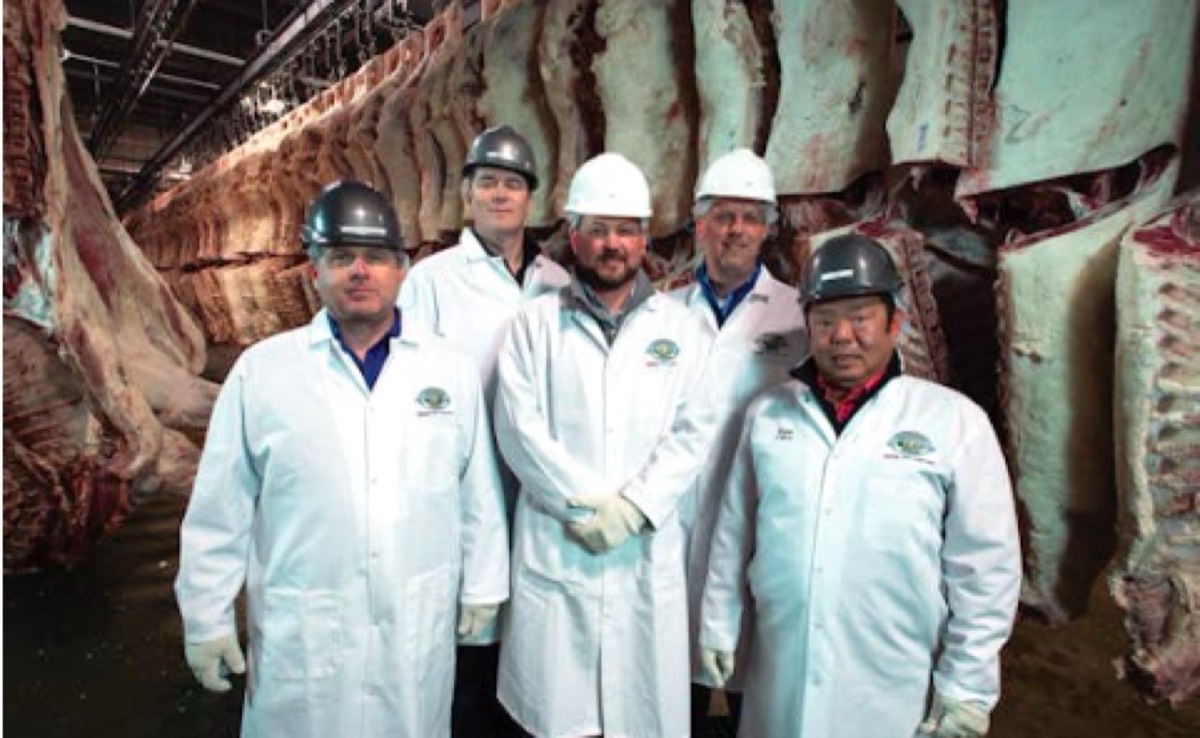
Creekstone Farms began in 1995 as the brand of John and Carol Stewart and has operated its own slaughterhouse in Arkansas City, Kansas since 2003. The company is now part of the Japanese Marubeni. Everything revolves around one breed: one hundred percent Black Angus, born and raised in the USA, supplied by long-standing family farms with strict genetic selection. The cattle graze in Kansas, Nebraska, and Oklahoma and receive a ration based on grains and corn for the last approximately one hundred days. No growth hormones, no preventive antibiotics, no animal products in the feed. Every animal can be traced from birth to butchering.
What truly sets it apart
Two numbers tell the most. Around 85 percent of production reaches USDA Choice or higher, and about 12 percent reaches USDA Prime. The sector average for Prime is about 2 percent. That consistency comes from the combination of one breed, one plant, and third-party control via USDA G-programs, which independently verify the quality claims.
Welfare is not a side issue at Creekstone. The slaughterhouse was designed by Temple Grandin, the most famous name in animal-friendly handling, and the natural Black Angus program carries the Certified Humane mark. In 2004, Creekstone became the first American slaughterhouse to build its own BSE testing lab and litigated all the way to appeal against the USDA for the right to test all its animals. That says enough about how far they go for quality control.
For you as a chef, this means above all predictability. A large, controlled brand delivers crate after crate the same marbling, the same color, the same bite. You know what arrives and what lands on the plate.
How to set yourself apart with this
Black Angus from the USA has a name your guests recognize. Simply put the origin on the menu: it does work before the plate hits the table. Play out the breadth of the assortment. The ribeye and the côte de boeuf sell themselves, but the profit lies in the cuts around them. Bavette, chuck flap, and brisket give you the same marbling at a friendlier purchase price, so you keep a sharp margin without compromising on quality. Combine a classic on the bone for the table with a cleverly worked second cut, and you build a meat menu that works from top to bottom.
Chef’s tip
The bavette is underrated in this meat. The marbling keeps it tender where bavette normally turns tough quickly. Sear short and hot to a core of about 52 degrees, rest at least five minutes and slice tightly against the grain. This way you get as much out of it as from a pricier cut.
How to use it
Ideas for your menu
Ribeye from the grill
The marbling does the work. High heat with just salt, to medium rare, and rest. A classic that shows the quality directly.
Bavette, against the grain
Seared briefly, sliced thin, with a sharp chimichurri or roasted shallot. Lots of flavor for a cut you can price sharply.
Low & slow brisket
Braise the brisket for hours until it falls apart. The fat marbling keeps the meat juicy, ideal for a smoked or braised dish.
Côte de boeuf for the table
Roasted on the bone and carved at the table. A cut that opens the conversation without needing anything extra.
For your menu
“Black Angus ribeye (Creekstone Farms, Kansas, USA)”
Products from Creekstone Farms
What we carry from this maker
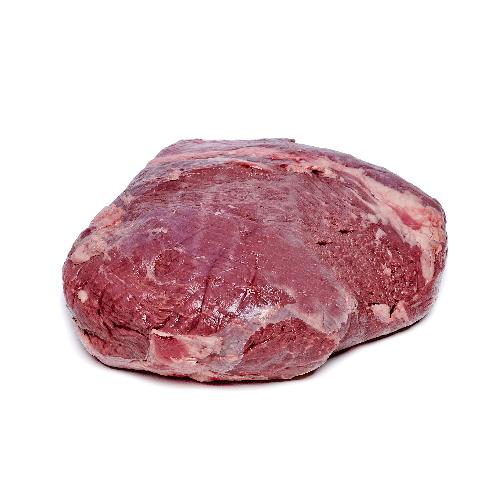
Rump Black Angus
Prices and availability are in the portal. Not a customer yet? Become a customer or log in to order.
Taste it in your own kitchen
Book a no-obligation tasting with Niels. No contract, just tasting.