Maker · Velserbroek, North Holland · Pantry
Brandwijk Holland: dried pulses with character
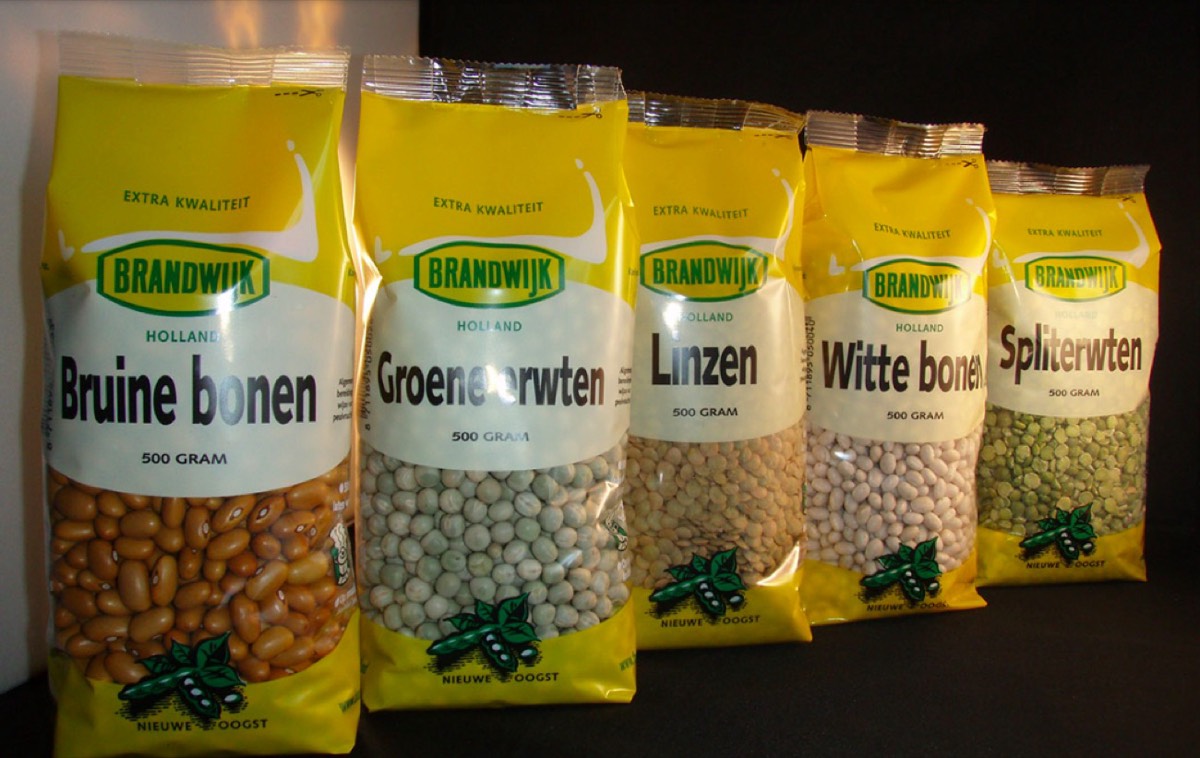
Dried pulses from Dutch fields, with the harvest year on the bag. Not anonymous bulk from a container, but beans and peas you know come from a specific season and reach the kitchen as fresh as they'll ever be.
The story
Who's behind it
Brandwijk sits in Velserbroek, against the dunes of North Holland, and has been doing one thing for generations: dried pulses. Beans and peas, grown on Dutch fields, dried, cleaned and sorted before they go in the bag. Where most pulses in hospitality come from an anonymous import stream, this stays close to home. You're not buying a random batch, you're buying a harvest.
The range is broad for such a narrow speciality: brown beans, Dutch peas, Frisian woud beans, speckled beans, butter beans, black-eyed peas and split peas. From fine creamy little beans to firm peas that keep their bite. Packed in bags from half a kilo to ten kilo, so it fits as well on a small card as in a full brigade. Alongside the standard line, part of the range is available organic, handy if your card calls for it.
What really makes the difference
The difference lies in freshness, and with a dried product that's less obvious than it sounds. A dried bean ages. The longer it sits, the drier the skin and the worse it absorbs water. An old bean stays grainy inside, whatever you do with it. Brandwijk states the harvest year, so you know exactly what you're bringing in and whether it will cook evenly tender.
Then there's origin to consider. Dutch cultivation means short supply lines and a product that fits how food has traditionally been cooked here. Dutch peas and split pea soup are not a marketing story but simply the region on the plate. And because it's a dried base, you have no spoilage and barely any waste: you take what you need and the rest keeps for months.
How to set yourself apart
Pulses are cheap to buy and expensive to sell if you get them right. A soup of fresh split peas, a plate of Dutch peas with bacon and gherkin, a salad of black-eyed peas: low food cost, high margin, and a story that holds because the bean comes from your own land.
Put the origin on the card. "Brown beans from North Holland" reads differently from "beans", and your guest tastes the difference in a bean that's fresh and cooks evenly. Put the dried base to work ahead of time too: soak a big batch, cook it through and portion it out. That way, a protein-rich, plant-based main course is on the table within a quarter hour, without you losing margin.
Chef’s tip
Check the harvest year. A bean from last season soaks and cooks evenly tender; a bean three years old stays grainy inside, no matter how long you let it simmer. Soak the hard varieties eight to twelve hours and don't salt the soaking water, that keeps the skin firmer. Split peas and black-eyed peas cook straight through without soaking.
For your menu
“Pulses from Brandwijk in Velserbroek, grown on Dutch fields and delivered by harvest year.”
Products from Brandwijk Holland
What we carry from this maker
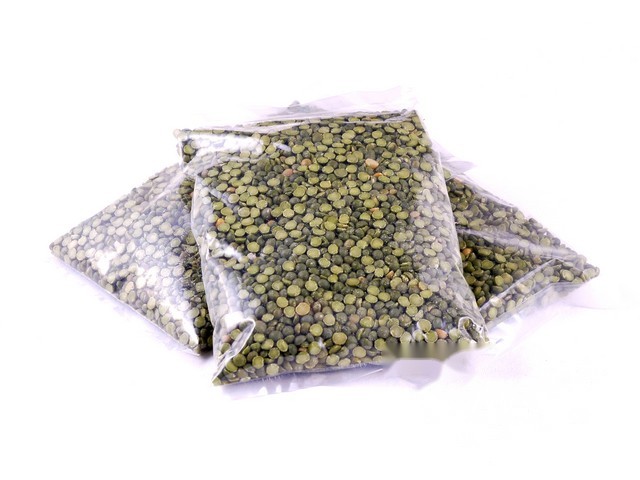
Spliterwten per kg
Prices and availability are in the portal. Not a customer yet? Become a customer or log in to order.
Taste it in your own kitchen
Book a no-obligation tasting with Niels. No contract, just tasting.